All Categories
Featured

Optimizing Search Traffic by Service Area
Table of Contents
Enter your seed keyword (e.g., "on-page SEO") 2. Filter by intent matching your page objective 3. Filter for Personal KD% under 40 if you're a smaller website 4. Objective for search volume of a minimum of 300500/month minimum 5. Check the SERP manually. Who's currently ranking, and can you beat them? 6.
Develop a keyword cluster. A main keyword supported by 510 semantically related terms. This is how Google's algorithms understand topical depth in 2026. Map Every Page to a Particular Browse Intent Keyword difficulty and volume are absolutely nothing if your page doesn't satisfy what the searcher actually wants. Before composing a single word, evaluate the top 5 ranking outcomes for your target keyword and answer these questions:? Material type: Are the top outcomes article, item pages, classification pages, or landing pages?? Content format: Are they how-to guides, listicles, comparison short articles, or videos?? Material angle: What's the distinct slant? Beginner-friendly, data-driven, extensive, quick and actionable? If Google consistently ranks "finest of" listicles for a keyword, releasing a single product page will not outrank them.
To get included as a source, your material should directly respond to the inquiry in the first 200 words utilizing clear, factual language. Stage 2: On-Page HTML Aspects Optimize Every HTML Aspect That Signals Significance These components communicate your page's subject to both search spiders and human visitors.
Craft a Title Tag That Ranks AND Gets Clicked Your title tag is arguably the single essential on-page SEO aspect. It informs online search engine what your page has to do with and serves as the main clickable headline in search engine result.???? seo on-page-checklist On-Page SEO List: 20 Steps to Dominate Search The most complete on-page SEO guide for 2026.
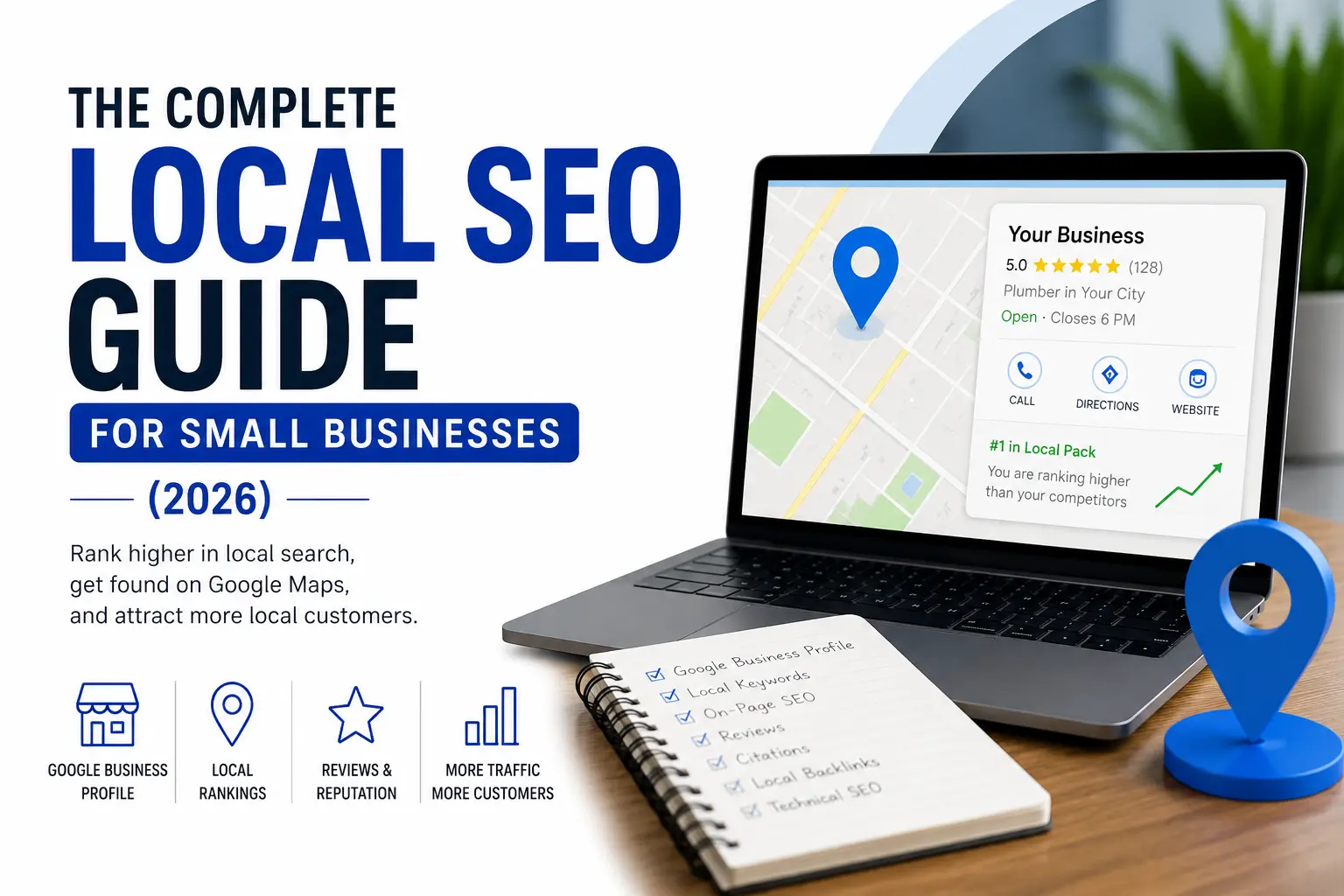
[target1:anchor_exact1]Essential Search Checklist to Local Success
On-Page SEO List: 20 Actions to Dominate SearchPrimary Keyword First Benefit/Specificity Second Under 55 Characters Title Tag Best Practices for 2026 GUIDELINE WHY IT MATTERS STATUS Main keyword in very first 3 words Google weights previously terms more greatly Crucial Keep under 55 characters Prevents truncation in SERPs on mobile and desktop Important Include an engaging modifier "2026," "Total," "Ultimate" enhance CTR Recommended Match page material exactly Misleading titles = high bounce rates = ranking drops Important No replicate title tags Confuses Google about which page to rank for a keyword Important Include brand name at end (optional) Boosts recognition in branded SERPs Optional Do? SEO SEO SEO: Get SEO Tips for SEO Success? Page Title A Really Long Title That Will Definitely Be Cut Off in Google" Use One H1 Tag That Hooks and Informs At the same time Every page need to have precisely one H1 tag.
While comparable to your title tag, your H1 can be a little longer and more descriptive because it does not get truncated. H1 composing formula that works: [Main Keyword] + [Specific Outcome or Number] + [Audience or Context]
An engaging meta description can increase natural clicks by 2030% without altering your ranking position at all. Include your target keyword. Search engines bold matching terms, making your outcome aesthetically stand out 2.
[target1:anchor_exact1]Add a soft CTA, "Discover," "Learn," "Explore," "See the complete guide" all work well 4. Stay under 105 characters, longer descriptions get cut off on mobile, which makes up 62%+ of traffic Stop Google from Rewording Your Description Google rewords meta descriptions when it thinks yours doesn't match search intent.
Increasing Small Business Search Presence
The more precisely your description answers "why should I click this?" the less Google will reword it. Create SEO-Friendly URLs That Human Beings and Crawlers Love Your URL slug is a little however meaningful ranking signal. A clean URL develops trust with users before they even click.? This is your slug.

Stopping working to do this destroys collected link equity and triggers 404 errors for visitors and crawlers alike. Phase 3: Content Optimization Develop Material That Outranks, Outserves, and Outlives Content quality is determined by how entirely and clearly it serves the searcher, not by word count or keyword density. Usage Keywords Naturally, Strategic Placement, Not Stuffing Current studies confirm there is no correlation between keyword density and high rankings.

Latest Posts

Expert Methods for Boosting Local SEO Success

Evaluating Effective Local Optimization Tactics
Boosting Local Search Rankings Today